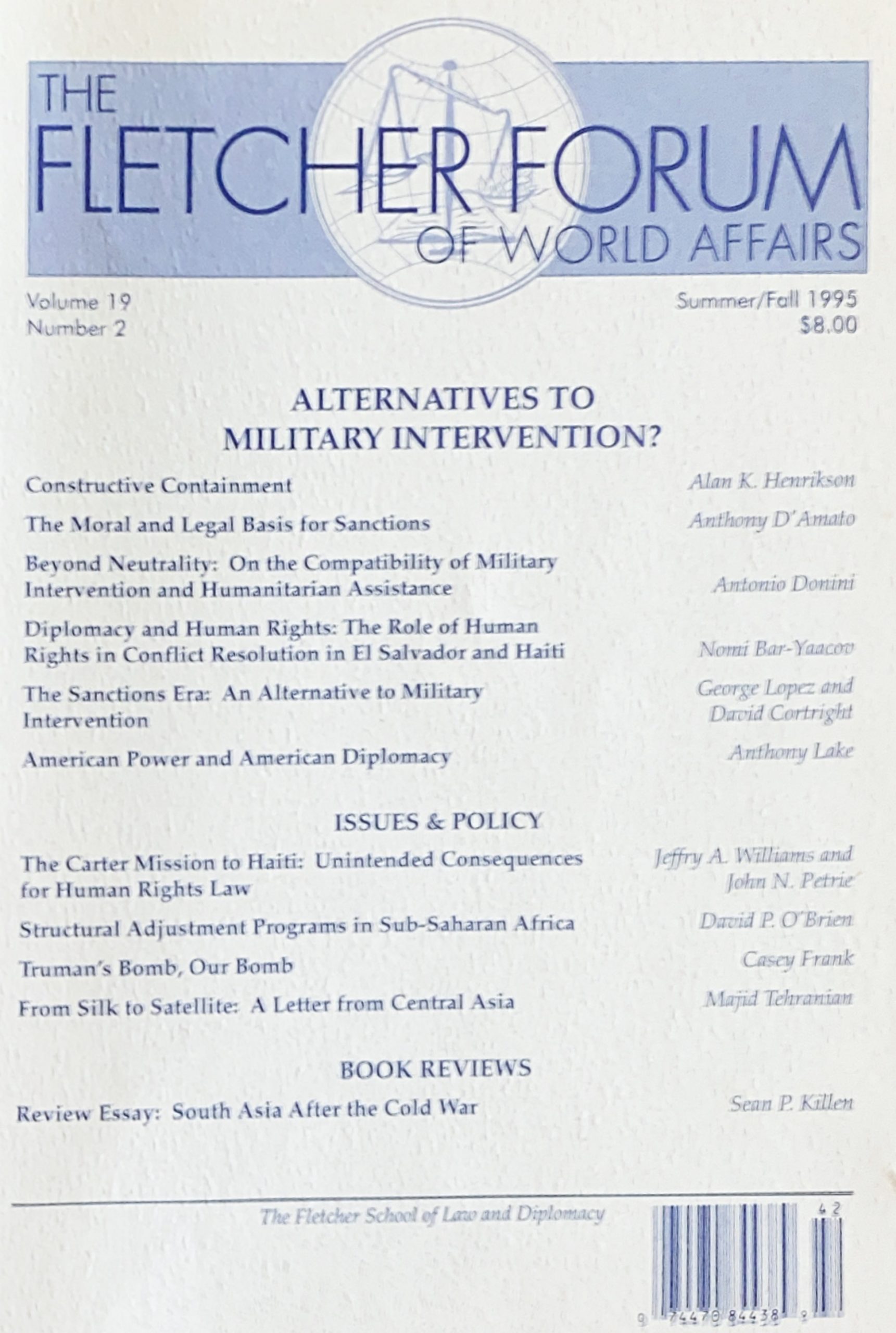
“Economic Sanctions and Human Rights: Part of the Problem or Part of the Solution?” by George A. Lopez and David Cortright, International Journal of Human Rights (London) vol. 1, no. 2 (Summer 1997).
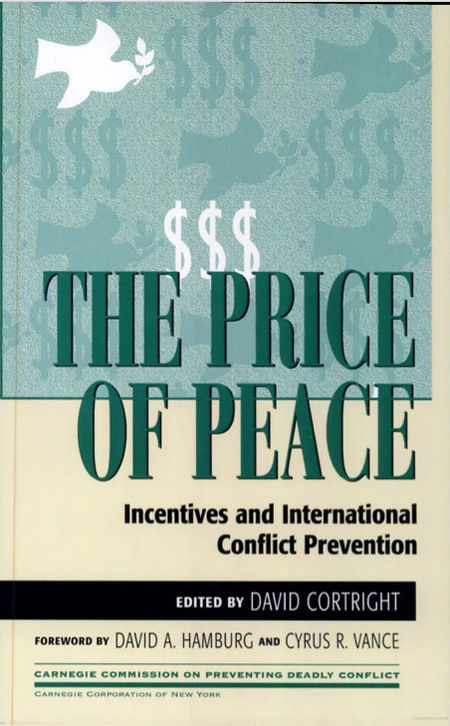
Edited by David Cortright, director of policy studies at Notre Dame’s Kroc Institute, The Price of Peace draws upon leading experts in the fields of nuclear nonproliferation, regional dispute resolution, diplomacy, and international finance to present a systematic analysis of the role of inducements in preventing conflict. The case studies examine the use of incentives in a range of circumstances, and introductory and overview chapters by Cortright provide a unique analysis of the use of incentives in international diplomacy.
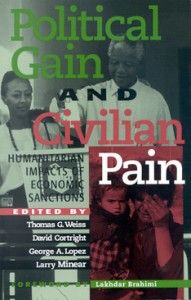
The use of sanctions is increasing in the post-cold war world. Along with this increase, the international community must ask itself whether sanctions “work,” in the sense that they incite citizens to change or overthrow an offending government, and whether sanctions are really less damaging than the alternative of war. Here for the first time, sanctions and humanitarian aid experts focus on the humanitarian impacts of UN sanctions.
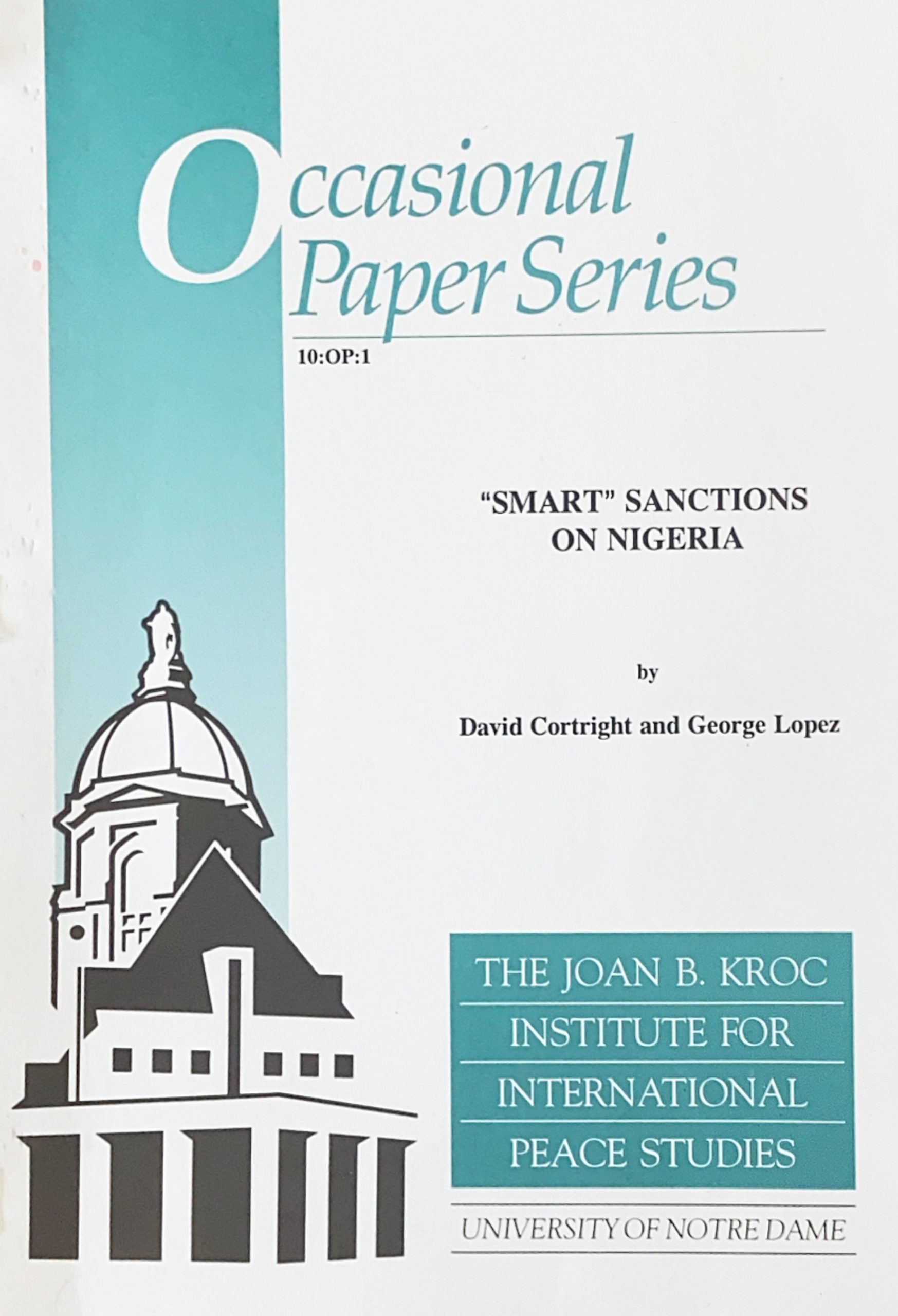
This essay examines whether tougher economic measures against the Nigerian junta would be politically effective. Is the oil weapon the most powerful tool available, short of military intervention, for restoring basic human rights and Nigerian democracy, or are more effective and humane alternatives available?
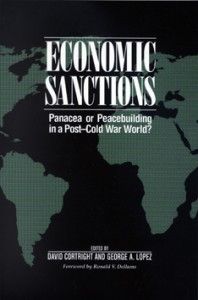
As the challenge of preventing military conflict has become increasingly complex in the post-cold war era, economic sanctions are being applied with growing frequency. Sanctions are also being used to enforce international law, to deter aggression and terrorism, to defend democracy and human rights, and to prevent nuclear proliferation.