What to do about Iraq? The Moral Dilemma of Sanctions
Magazine article — March/April 1998
“What to do about Iraq? The Moral Dilemma of Sanctions” by George A. Lopez and David Cortright, Sojourners, vol. 27, no. 2 (March/April 1998).


“What to do about Iraq? The Moral Dilemma of Sanctions” by George A. Lopez and David Cortright, Sojourners, vol. 27, no. 2 (March/April 1998).
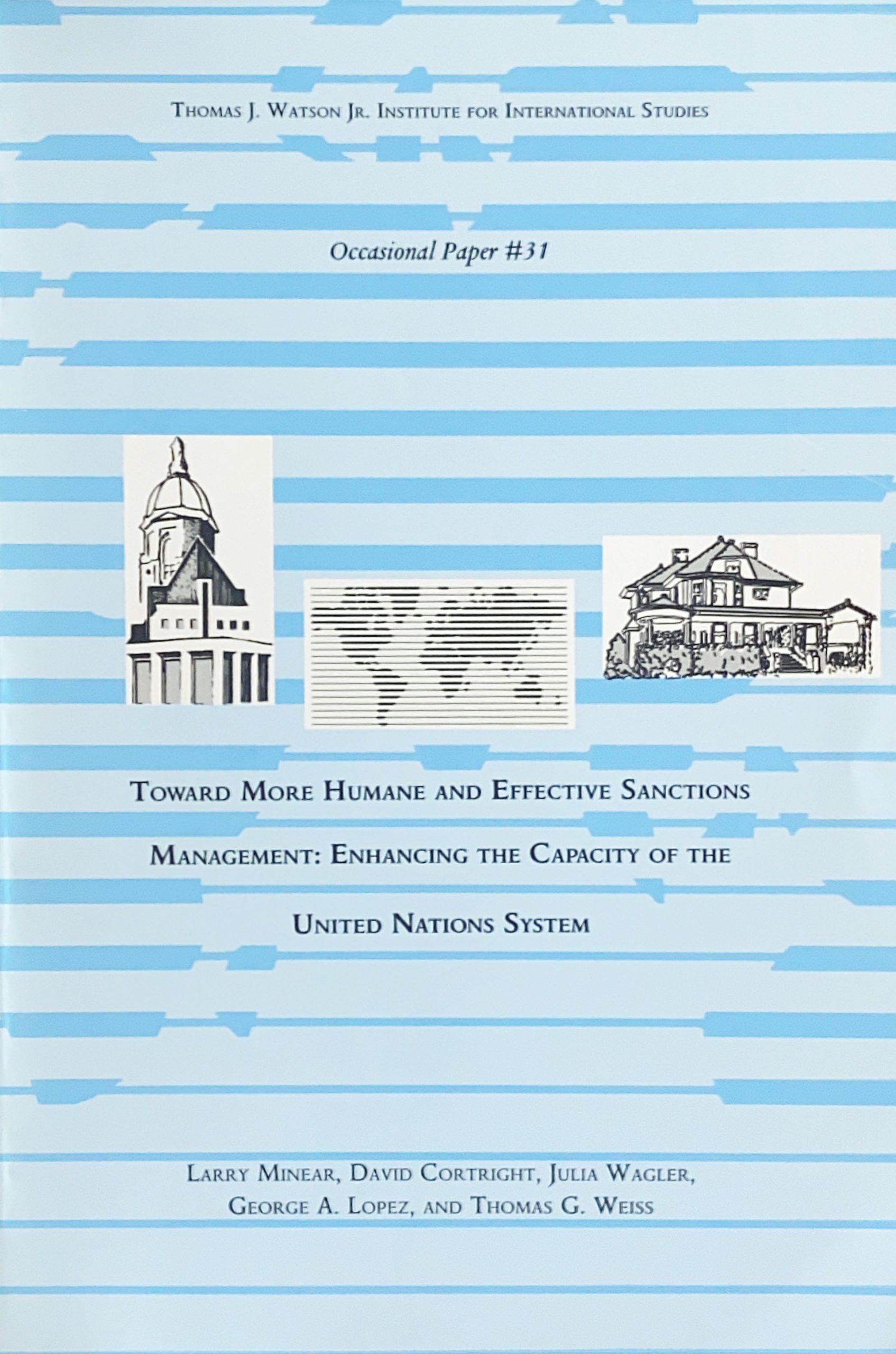
This report was commissioned by the United Nations Department of Humanitarian Affairs to provide a multifaceted research review of the impact of multilateral sanctions, including the development of a methodology for data gathering and assessing such impact that could be used by UN agencies, researchers and others.
“Carrots, Sticks and Cooperation: Economic Tools of Statecraft” by David Cortright and George A. Lopez in Cases and Strategies for Preventive Action, edited by Barnett R. Rubin (Century Foundation Press, 1998) pp. 113-34.
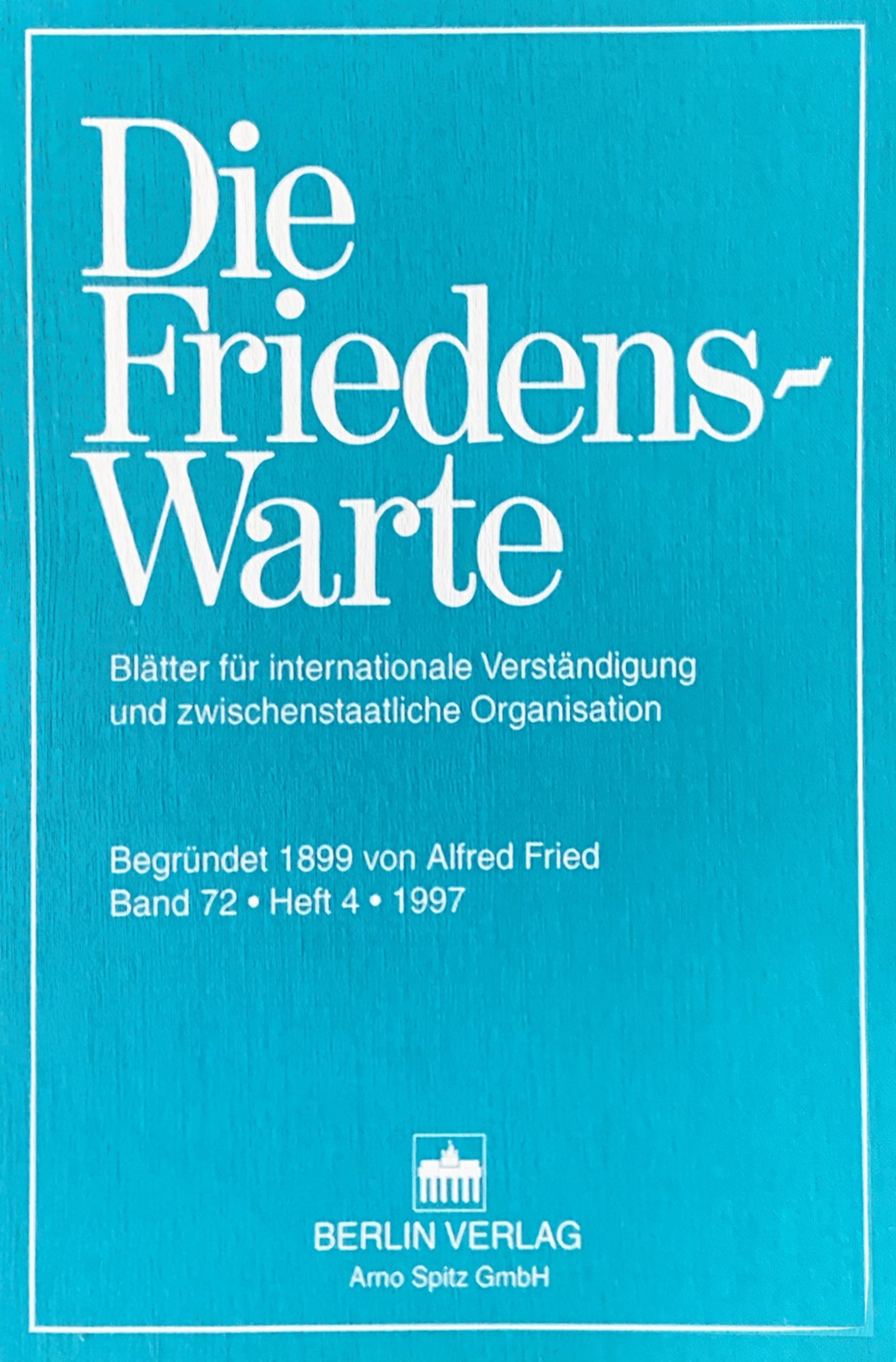
“Financial Sanctions: The Key to a ‘Smart’ Sanctions Strategy” by George A. Lopez and David Cortright in Die Friedens-Warte, vol. 72, no. 4 (December 1997).
“Economic Sanctions and Human Rights: Part of the Problem or Part of the Solution?” by George A. Lopez and David Cortright, International Journal of Human Rights (London) vol. 1, no. 2 (Summer 1997).
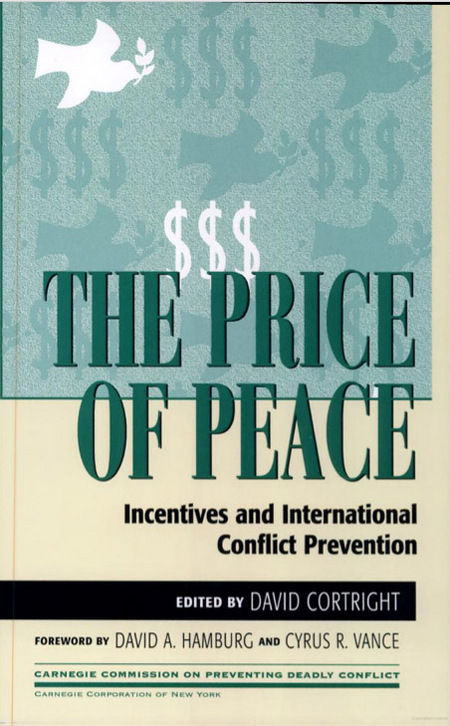
Edited by David Cortright, director of policy studies at Notre Dame’s Kroc Institute, The Price of Peace draws upon leading experts in the fields of nuclear nonproliferation, regional dispute resolution, diplomacy, and international finance to present a systematic analysis of the role of inducements in preventing conflict. The case studies examine the use of incentives in a range of circumstances, and introductory and overview chapters by Cortright provide a unique analysis of the use of incentives in international diplomacy.
The use of sanctions is increasing in the post-cold war world. Along with this increase, the international community must ask itself whether sanctions “work,” in the sense that they incite citizens to change or overthrow an offending government, and whether sanctions are really less damaging than the alternative of war. Here for the first time, sanctions and humanitarian aid experts focus on the humanitarian impacts of UN sanctions.
This essay examines whether tougher economic measures against the Nigerian junta would be politically effective. Is the oil weapon the most powerful tool available, short of military intervention, for restoring basic human rights and Nigerian democracy, or are more effective and humane alternatives available?
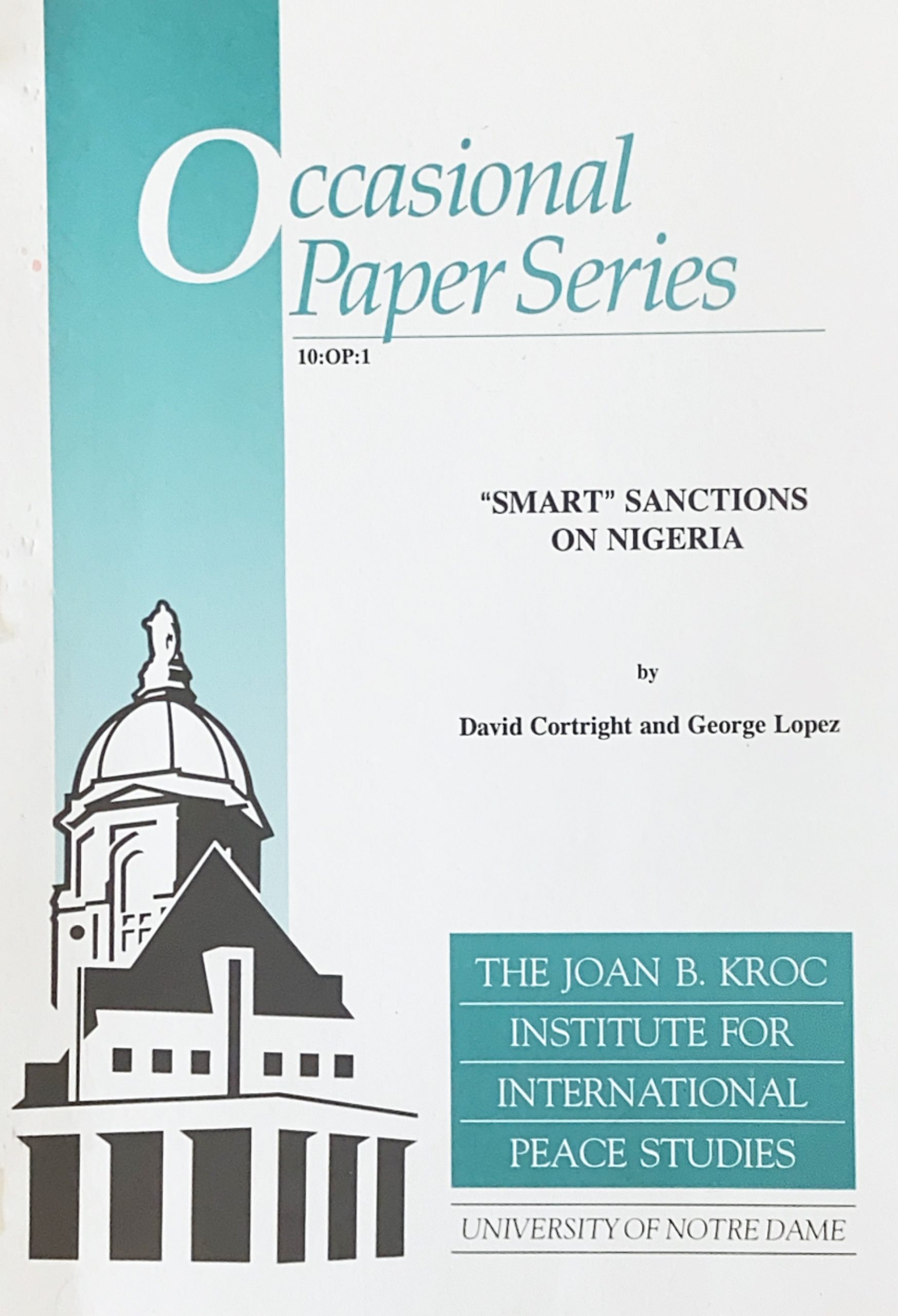
‘Smart’ Sanctions on Nigeria David Cortright and George A. Lopez, The Christian Science Monitor, January 10, 1996.
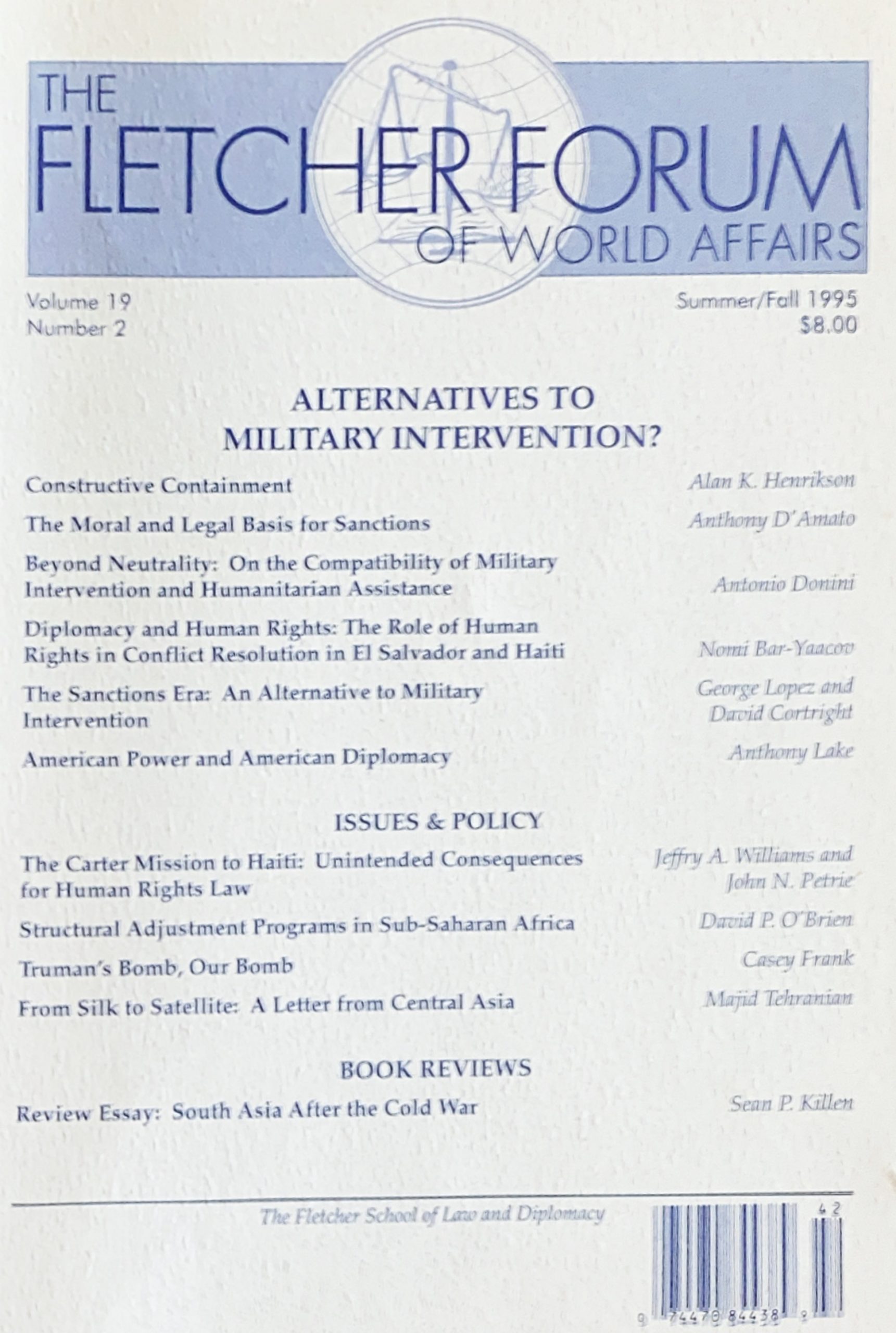
“The Sanctions Era: An Alternative to Military Intervention” by David Cortright and George A. Lopez in The Fletcher Forum of World Affairs, vol. 19, no. 2 (Summer/Fall 1995).